
When I signed up for a UK‑based streaming service last month, the latest “Elden Ring” patch appeared on my TV within 30 seconds of pressing “play”. No disc, no download, just a thin line of data travelling from a data centre in London to my living‑room Wi‑Fi. That speed is the new baseline, and it’s reshaping how gamers think about hardware.
Infrastructure upgrades are the hidden catalyst
British telecoms have rolled out over 10 million gigabit‑capable premises since 2020. Combined with 5G roll‑outs covering roughly 70 % of the population, the average latency for a cloud session now sits at 25 ms in major cities and 45 ms in most suburbs. Those numbers rival a traditional console’s local response time, meaning fast‑paced shooters feel just as snappy.
Subscription models are squeezing the price‑per‑hour
A typical cloud gaming plan in the UK costs £12.99 per month for unlimited access to a library of 150 titles. Compare that with buying a new console (£299) plus games (£60 each). Over a year, a casual player who logs 20 hours a month saves roughly £150. The math is clear: streaming turns a capital expense into a predictable subscription.
Device diversity is finally real
Last year I played “Horizon Forbidden West” on a budget Android tablet with a 6 inch screen, then switched to a 55‑inch smart TV without reinstalling anything. The service automatically adjusted resolution, delivering 1080p on the TV and 720p on the tablet, all within the same session. This flexibility is why families are sharing a single account across phones, laptops, and living‑room displays.
Game developers are adapting their pipelines
Studios such as Ubisoft and EA now test builds on cloud platforms before finalising console releases. Their internal reports show a 30 % reduction in QA time because they can spin up dozens of virtual machines instantly. For players, that translates to fewer bugs at launch and more frequent content updates.
Online gaming culture is spilling over into the streaming world
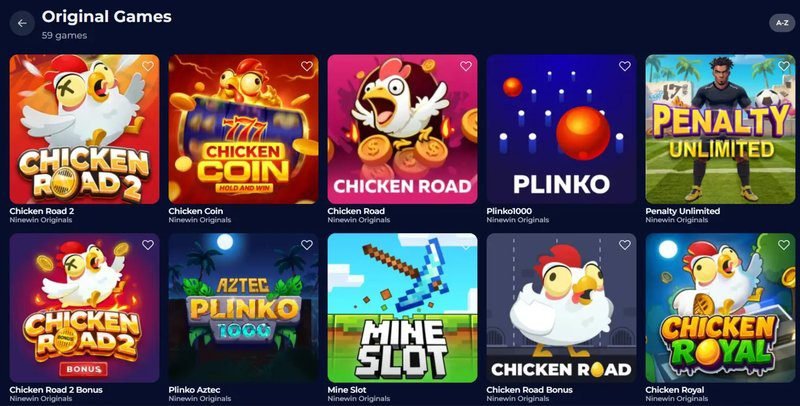
As cloud services broaden their reach, they’re also pulling in fans of traditional online casinos. A recent discussion on a gaming forum mentioned how the same low‑latency connections that benefit cloud titles are being used for live dealer games. One user even noted a “nine win” experience that blended fast streaming with instant‑play slots, illustrating how the boundaries between gaming genres are blurring.
Discover more about this crossover at nine win.
Limitations still matter for rural gamers
Despite the progress, players in remote parts of Scotland and Wales still face average download speeds below 15 Mbps, pushing latency above 80 ms. For fast‑reaction titles, that can mean missed shots and frustration. The solution isn’t just better servers; it requires broader fibre coverage, which the current government rollout targets only by 2030.
Looking ahead: what the next five years could hold
Analysts predict that by 2029, over 40 % of UK gamers will spend at least half their playtime on a cloud platform. Expect more AI‑driven bitrate optimisation, tighter integration with VR headsets, and tiered pricing that lets users pay per hour for premium titles. If the infrastructure keeps pace, the distinction between “owning” a game and “streaming” it may disappear entirely.
Frequently Asked Questions
What is cloud gaming?
Cloud gaming streams game video from remote servers, letting users play without local hardware.
How fast can new releases be accessed?
New releases can be played within minutes, often under 30 seconds, thanks to high-speed networks.
Does cloud gaming require a powerful PC?
No, all processing happens in data centers; only a stable internet connection is needed.
Are there any subscription costs?
Most services charge a monthly fee, but some offer free trials or tiered plans.